The Origin Story: Origin at Symphony Park
Symphony Park: Las Vegas History and Future
Posted: March 11, 2026 by John McClelland
The Origin Story: Origin at Symphony Park
Symphony Park, a premier masterplan west of Downtown Las Vegas, is integral to Las Vegas' past and is a growing part of its future.
The railroad is closely tied to the genesis of Las Vegas and particularly to Symphony Park and Downtown Las Vegas. In 1905 William Clark of Montana, and partners developed the San Pedro, Los Angeles & Salt Lake Railroad, which tied together a huge swath of the nation between Southern California and Utah. Clark built another railroad and ultimately auctioned off railroad land holdings, which formed what is now Downtown Las Vegas.
Symphony Park was organized by Mayor Oscar Goodman and the City of Las Vegas. Seeing the potential for a large parcel right in the middle of the metropolitan area, Goodman led a deal with the Union Pacific Railroad and the City which secured ownership of the now Symphony Park land. The City now had an essentially clean slate from which to express a new urban vision.
Pioneered by the Lou Ruvo Center for Brain Health, the master plan now hosts The Smith Center for Performing Arts, The Children’s Discovery Museum, multifamily projects such as Auric and Parc Haven, as well as the under-construction Capella and Bria luxury apartments and the AC/Element Hotel. Goodman’s foresight transformed a vacant former railroad depot into a premium urban environment, recognizing Las Vegas’ ability to elevate what had otherwise been stale.
As part of the transformation, Origin at Symphony Park recalls the history of the city, which began in this area, while embracing the dynamism of modern amenity-filled urban living. Origin serves as both a recollection of the city’s unassuming past and a monument to the human connection that urban landscapes inspire.
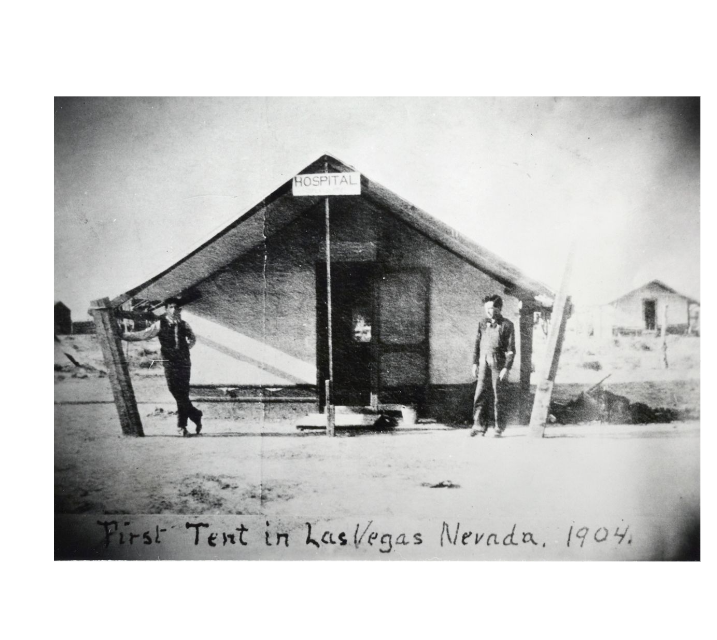
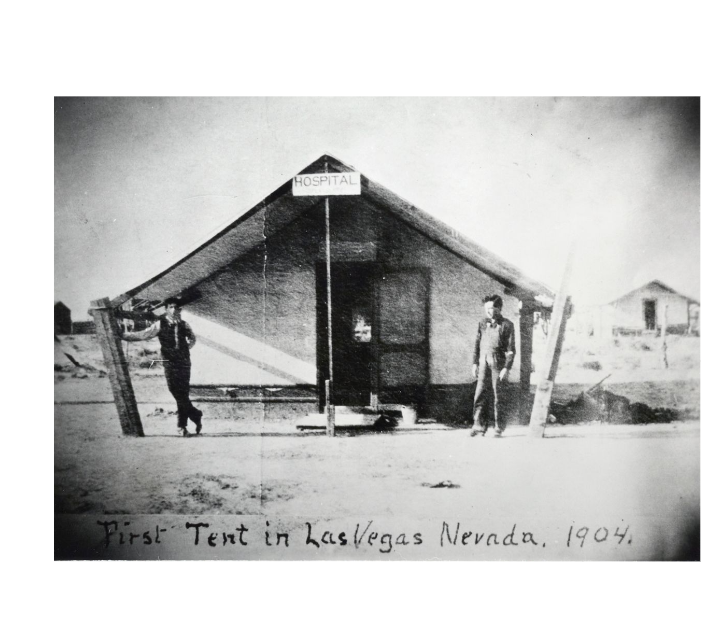
From a basic start with tents and cabins in the early 20th century, what is it about Las Vegas that caused urban growth at such an amazing level? In the early days, gaming certainly played a role, but more central to that nascent growth was water. Water for both locomotives and livestock.
Later, Boulder Dam (now Hoover Dam) made water use more reliable and hydroelectric production made air conditioning possible, enhancing livability. The Smith Center for Performing Arts building is inspired by the same era when Hoover Dam was built, a character that sets it apart from projects on the Las Vegas Strip which often mimic other places.
In a similar sense, Cello Tower interior finishes respect the best design attributes of prior periods while integrating modern design and technology, producing an image of enduring value.
Climate is a key part of Las Vegas’ growth. In Glaeser’s Triumph of the City: How Our Greatest Invention Makes Us Richer, Smarter, Greener, Healthier, and Happier, weather is central to modern growth, writing “over the last century, no variable has been a better predictor of urban growth than temperate winters.”
Las Vegas certainly has this feature, and growth has reflected that in both population and urban design. Patio dining, swimming pools and outdoor entertainment areas now abound. Cello Tower is conceived with amenities that allow owners to experience the favorable Las Vegas climate, where pool season lasts seemingly forever and views of the Valley’s colorful topography serve as a natural backdrop for the bustling manmade environment.
From railroad land to a connected luxury lifestyle, we’ve moved a long way from tents and cabins to 32 stories packed with amenities few could have conceived at the beginning of Las Vegas.
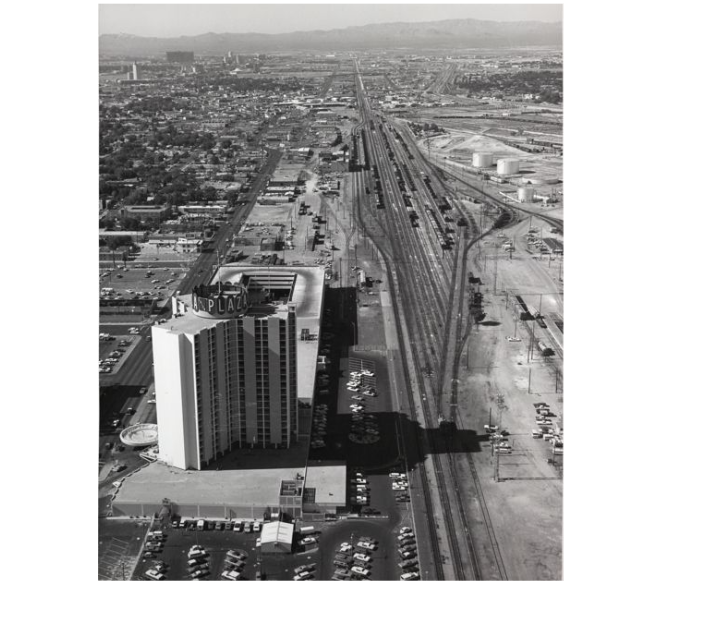
Union Plaza Hotel in 1973
Notice the railroad assets on what is now modern-day Symphony Park.
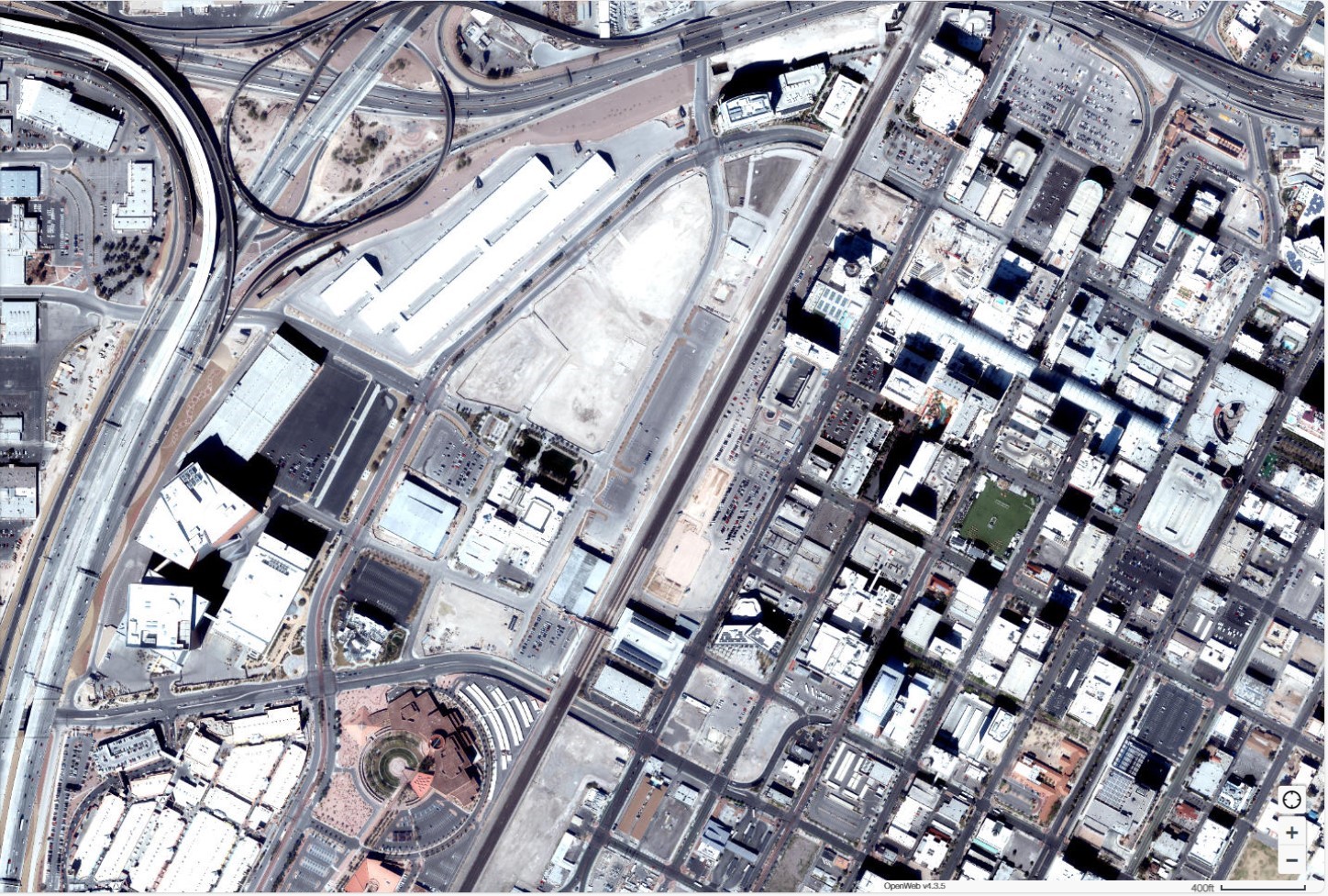
Symphony Park and Surrounding Areas: 2025
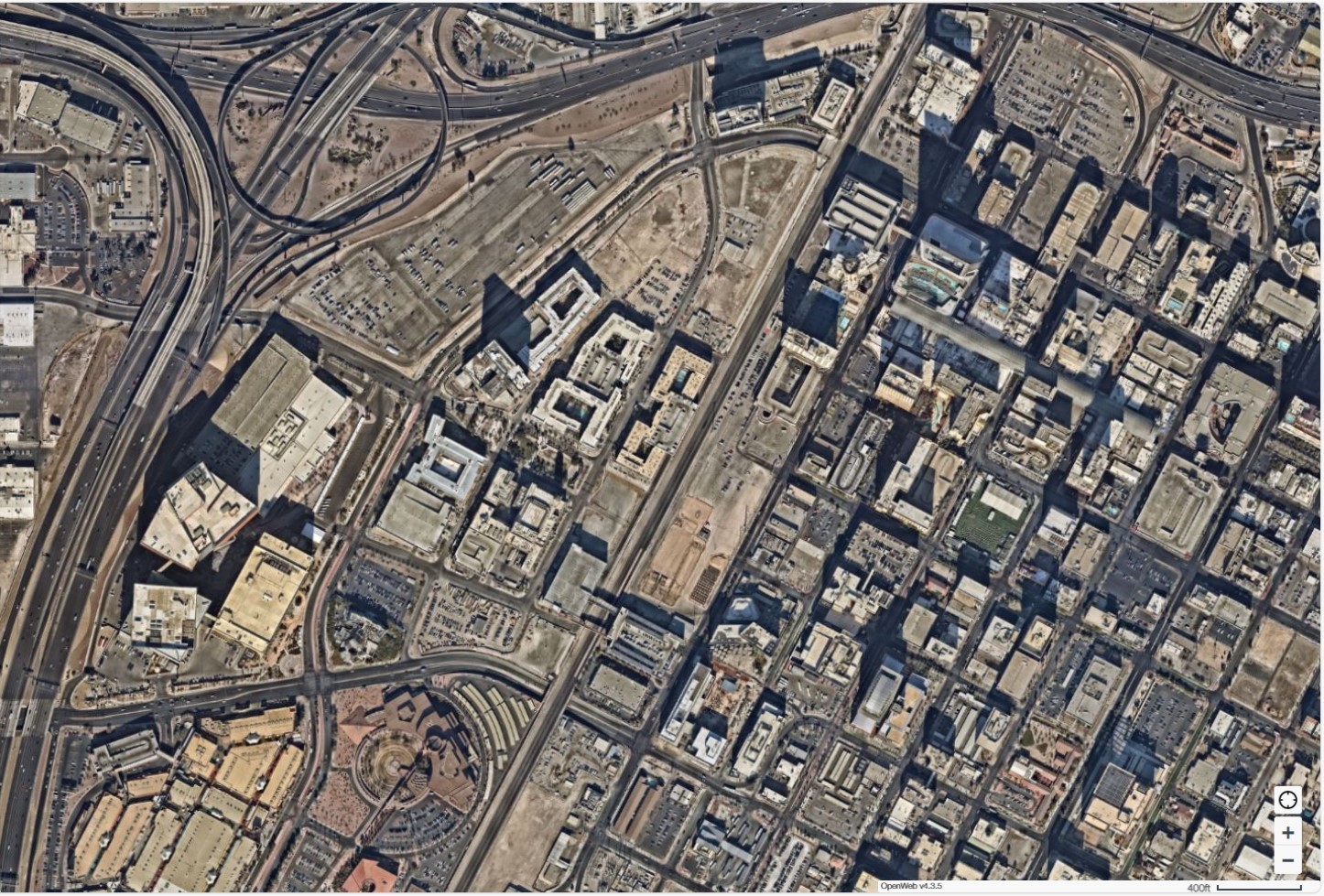
Symphony Park and Surrounding Areas: 2019
Sources
https://special.library.unlv.edu/ark:/62930/d1ht2gb2s
Photograph of the first tent in Las Vegas, Nevada, circa 1904-1905 | UNLV Special Collections Portal
Swinging the March of Empire Southwestward
City of Las Vegas Timeline
Clark County GISMO.